Physical Address
304 North Cardinal St.
Dorchester Center, MA 02124
Physical Address
304 North Cardinal St.
Dorchester Center, MA 02124

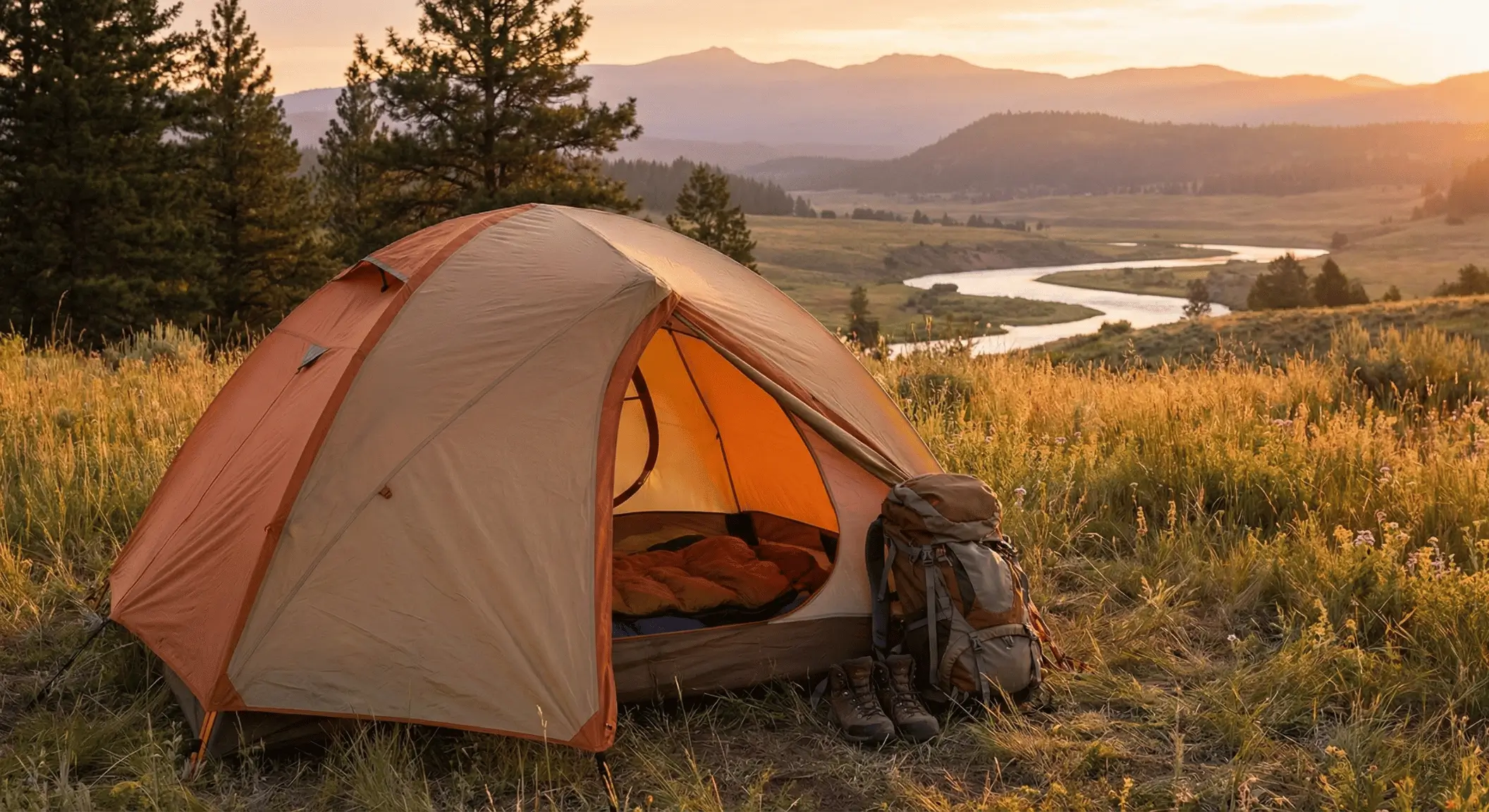
There’s a reason millions of Americans load up their cars every weekend and head for the woods, the desert, or the mountains. Camping reconnects you with something real — fresh air, open skies, and a genuine sense of adventure that no hotel room can replicate.
But if you’re a first-time camper, it can be a bit daunting to think about actually camping. What sort of kit do you really need? Where do you go? Is it safe? How do you actually get a pitch for a campsite?
This comprehensive beginner’s guide to Camping for Beginners USA is here to answer each and every one of those questions. Be it solo, romantic, or a commitment-free camping USA trip, all the way to packing your kids into the car for a family camping USA adventure, this is the guide that takes you from the first bag you ever packed, all the way to some advice on how to stay safe around wildlife. After reading this you’ll have the confidence and commitment to plan your first camping trip in the USA!
Let’s get outside.
The United States is home to over 400 national parks, more than 150,000 miles of hiking trails, and thousands of state and private campgrounds. From the red rock canyons of Utah to the misty forests of the Pacific Northwest, there is no shortage of breathtaking places to pitch a tent.
In addition to the landscape, camping is one of the most economical options for traveling. For $20 to $35 a night you can camp in places that would cost hundreds at nearby hotels.
Studies consistently show that time in nature reduces stress, improves sleep, and boosts mental well-being. Camping forces you to unplug — and that’s exactly the point.
Camping for beginners in the USA is easier than ever thanks to:
You don’t need wilderness survival skills to enjoy your first trip. Start simple. Choose a developed campground. Keep your first trip short—one or two nights.
Before you book anything, decide what kind of camping experience you want. Your main options are:
As a beginner, start within two to three hours of home. This keeps logistics manageable and gives you an easy exit if something goes wrong. Search “family camping USA guide” resources or visit your state’s parks website to find nearby options.
Don’t plan a week-long trip your first time out. A Friday-to-Sunday trip gives you enough time to enjoy the experience without burning out.
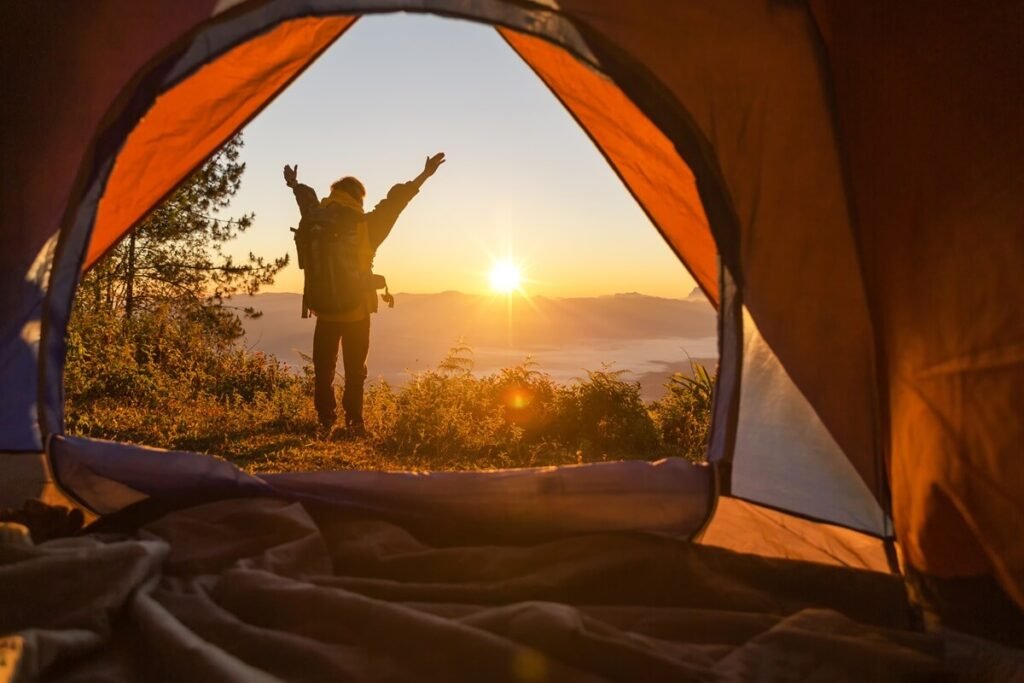
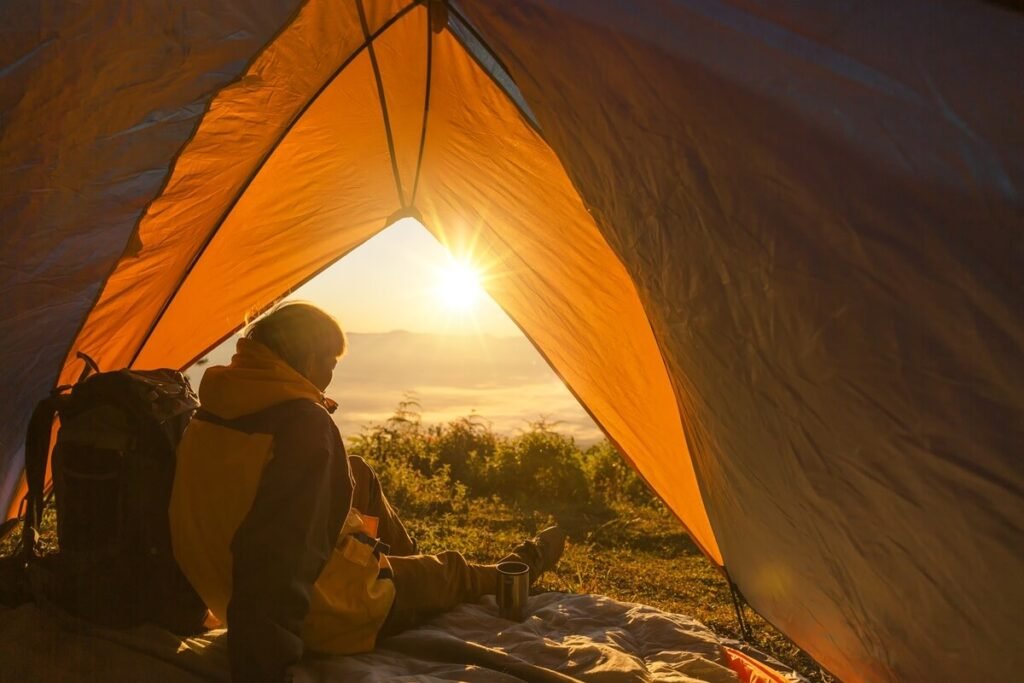
This is the section to bookmark. Here’s a practical, first-time camping checklist organized by category.
You don’t need to spend a fortune to get started. Here’s what to prioritize as a first-time camper.
Tent
Look for a three-season tent rated for two more people than your group size. The REI Co-op Passage 2 and Coleman Sundome are perennial beginner favorites, both under $150.
Sleeping Bag
A synthetic-fill bag rated to 20°F gives you flexibility across seasons. The Teton Sports Celsius XXL is a budget-friendly pick that performs well into cool nights.
Sleeping Pad
Never skip this. A closed-cell foam pad from Therm-a-Rest costs around $45 and makes a huge difference in warmth and comfort.
Camp Stove
The Coleman Classic Propane Stove ($50–$60) is reliable, easy to use, and available at most outdoor retailers and big-box stores across the country.
Headlamp
The Black Diamond Spot is the go-to recommendation for beginners — bright, waterproof, and under $40.
Consider renting gear your first trip through REI’s rental program or a local outdoor outfitter. This lets you test equipment before committing to purchases.
Both are valid ways to experience the outdoors. Here’s how they compare for beginners.
| Factor | Tent Camping | RV Camping |
| Upfront cost | Low ($100–$300 for gear) | High ($50K+ to buy, $100–$200/night to rent) |
| Setup difficulty | Moderate | Easy once learned |
| Immersion in nature | High | Moderate |
| Comfort | Basic | High |
| Flexibility | High (access more sites) | Limited (size restrictions) |
| Best for | Adventurers, budget travelers | Families, those needing amenities |
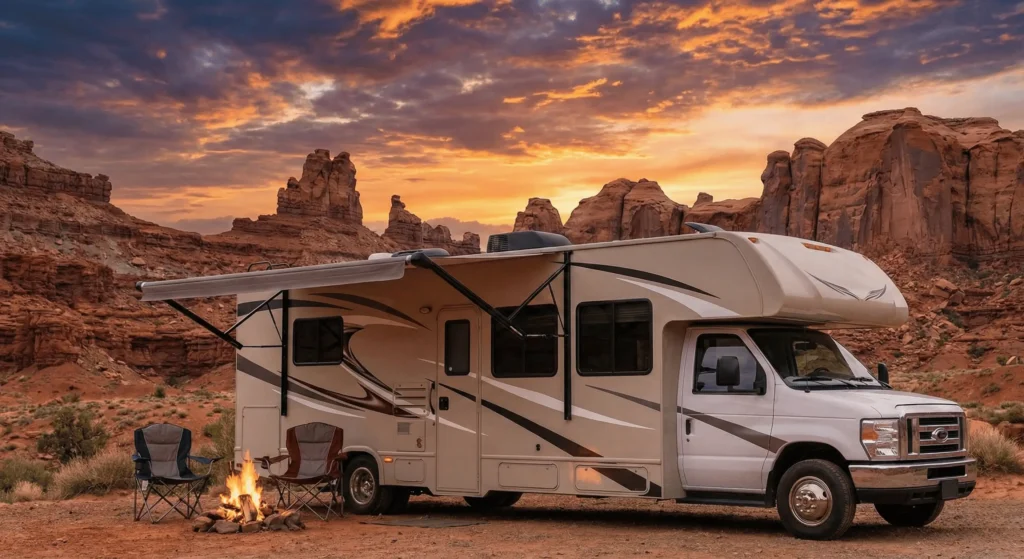
Verdict for beginners: Tent camping in the USA is the most accessible starting point. It’s cheaper, more flexible, and gives you a more authentic outdoor experience. If mobility or comfort is a concern, renting an RV or campervan for a first trip is a reasonable alternative.
Understanding camping rules in US national parks is essential before your first visit. Violating them can result in fines or being asked to leave.
Stay limits. Most national park campgrounds limit stays to 14 consecutive days within a 28-day period during peak season.
Fire regulations. Always check current fire restrictions before arrival. During dry seasons, campfires may be banned entirely. Only burn wood purchased locally — transporting firewood spreads invasive insects.
Food storage. In bear country (Yosemite, Grand Teton, Great Smoky Mountains, etc.), food must be stored in a certified bear canister or the bear boxes provided at your site. Never leave food in your tent.
Quiet hours. Most campgrounds enforce quiet hours from 10 p.m. to 6 a.m. Generators are typically restricted during these hours.
Leave No Trace. Pack out everything you pack in. Leave your site cleaner than you found it. Stay on designated trails and camp only in designated sites.
Pets. Dogs are allowed in most campgrounds but must be leashed at all times and are often prohibited on trails inside national parks.
Recreation.gov is the official booking platform for federal campgrounds, including those in national parks, national forests, and Bureau of Land Management (BLM) areas.
Pro tips: Popular campgrounds like those in Yosemite, Yellowstone, and Zion open reservations six months in advance — often down to the exact day and hour. Set a calendar reminder. Sites that weren’t reserved are released on a rolling basis, so checking back two weeks before your trip often reveals cancellations.
Here’s a realistic look at what a first camping weekend costs.
| Expense | Estimated Cost |
| Gear (tent, bag, pad, stove) | $200–$400 (one-time) |
| Campsite fee (2 nights) | $40–$70 |
| Food and supplies | $50–$80 |
| Gas (varies by distance) | $30–$60 |
| National park entrance fee | $0–$35 (or $80/year with America the Beautiful Pass) |
| Total first trip | $320–$645 |
After that initial gear investment, repeat trips drop dramatically in cost. A weekend camping trip for two people can easily run under $150 once you own the basics.
Money-saving tip: The America the Beautiful Annual Pass ($80) covers entrance to all national parks for a full year and pays for itself in just three visits.
Q: How do I know what sleeping bag temperature rating I need?
Look up the expected overnight low temperature for your destination and choose a bag rated at least 10°F below that number. It’s always better to sleep warmer than to be cold.
Q: Do I need a permit to camp in national parks?
Some popular parks and backcountry areas require separate wilderness permits in addition to reservations. Always check the specific park’s website before your trip.
Q: Is it safe to camp alone as a beginner?
Solo camping is safe with proper preparation. Tell someone your itinerary and expected return, stick to developed campgrounds on your first trips, and carry a charged phone and emergency whistle.
Q: What should I do if I encounter a bear?
Stay calm. Do not run. Make yourself look large, speak in a firm voice, and back away slowly. Deploy bear spray if the bear charges. Never play dead with a black bear — only with grizzlies, and only if contact is unavoidable.
Q: Can I have a campfire at any campsite?
Not always. Fire restrictions change frequently based on weather and fire danger. Always check the campground’s current fire regulations before your trip on the park or forest service website.
Q: What’s the best time of year for camping in the USA?
It depends on the region. Late spring through early fall works well for most of the country. Desert camping in the Southwest is best in spring and fall when temperatures are moderate. Coastal and Southern campgrounds are often accessible year-round.
The hardest part of camping for the first time isn’t the gear, the booking, or even the wildlife — it’s simply deciding to go. Once you’ve spent one night under an open sky, heard the quiet of a forest after everyone else has gone to sleep, and woken up to birdsong instead of an alarm, you’ll understand why Americans have been heading outdoors for generations.
This complete beginner’s guide to camping in the USA gives you everything you need to take that first step with confidence. Pack the checklist, book your site, follow the rules, and respect the land you’re visiting. The wilderness will reward you for it.
Your first camping trip is waiting. All you have to do is show up.