Physical Address
304 North Cardinal St.
Dorchester Center, MA 02124
Physical Address
304 North Cardinal St.
Dorchester Center, MA 02124

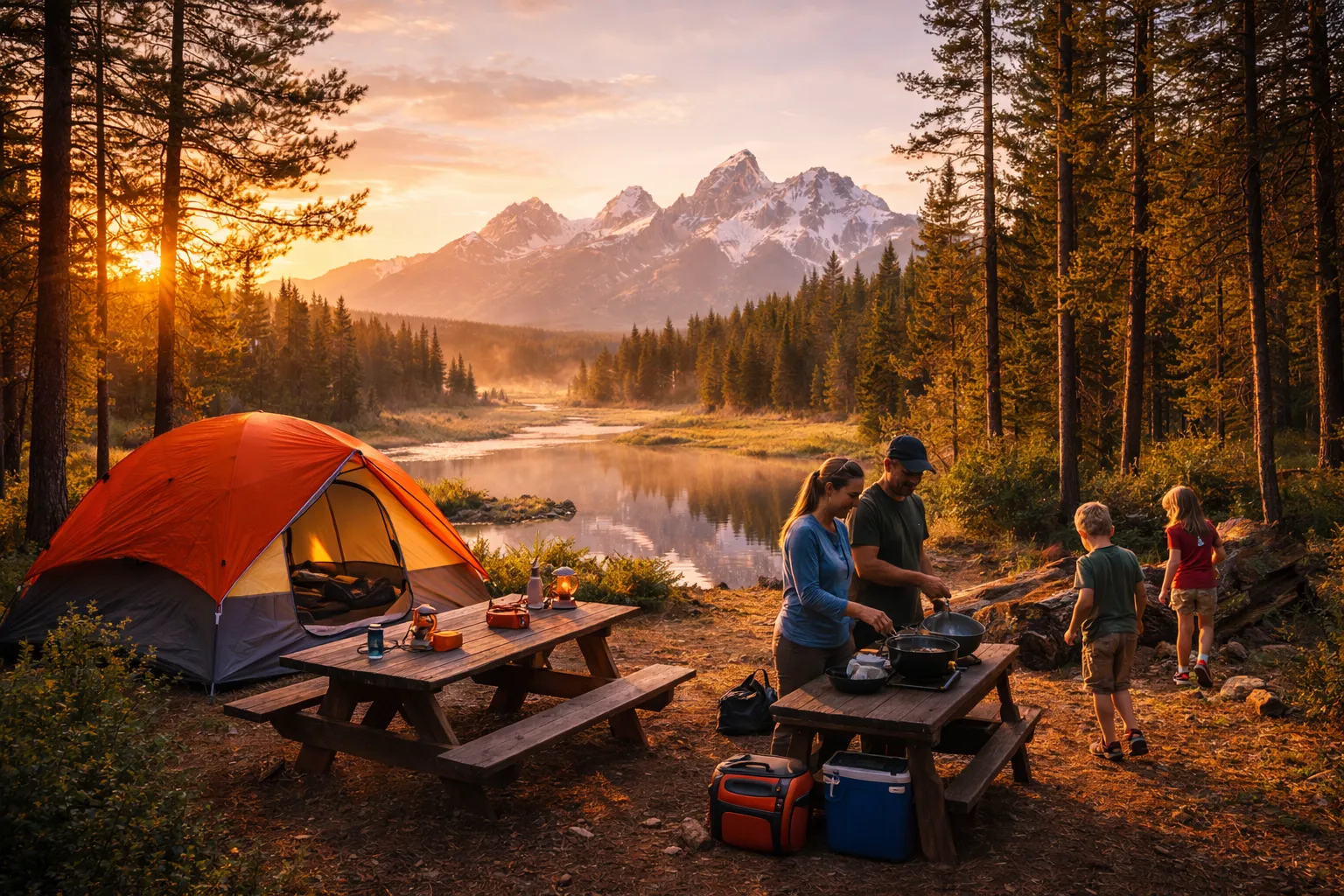
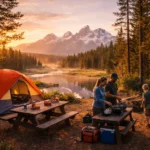
There is something different about waking up inside a national park.
No traffic noise. No city lights. Just the sound of wind through pines, a river somewhere in the distance, and the kind of quiet that is genuinely hard to find anymore.
The United States is home to 63 designated national parks — and together they protect some of the most extraordinary landscapes on the planet. From the volcanic geysers of Yellowstone to the ancient granite walls of Yosemite, from the misty forests of the Great Smoky Mountains to the dramatic coastline of Acadia in Maine, these parks rival anything you will find anywhere in the world.
Camping inside them is the best way to experience all of it. You are not rushing back to a hotel. You are there — in the middle of it — at sunrise and at midnight, when the stars come out and the wildlife starts to move.
This guide ranks the 10 Best National Parks in the USA for Camping based on scenery, campground quality, wildlife, accessibility, and overall experience.
These parks were evaluated on five key factors:
No park is perfect for everyone. We have noted who each park suits best so you can find your match.
Best for: Wildlife, geysers, and unforgettable mornings
Yellowstone National Park is the gold standard of American national parks. It was the first national park in the world (established in 1872), and it still sets the bar for everything that came after.
The park has 11 campgrounds and over 2,000 campsites. Madison Campground is the most popular — sitting between the Firehole and Gibbon rivers with easy access to Old Faithful and the geyser basins. Bridge Bay puts you on the shore of Yellowstone Lake. Indian Creek offers peace and quiet near Mammoth Hot Springs.
Camping here means waking up to bison grazing 50 feet from your tent. It means wolves howling in the Lamar Valley at dawn. It means watching Old Faithful erupt while your coffee is still hot.
Reservations open 6 months in advance and fill within hours for summer dates. Book early or plan for a shoulder-season visit in September.
Bear spray is mandatory for hikers. Counter Assault and SABRE are the top-rated brands trusted by park rangers.
Best for: Jaw-dropping scenery and rim-to-river adventures
Few places on Earth deliver a first impression like the Grand Canyon. Standing at the rim and looking down 6,000 feet into one of the world’s most ancient geological formations is something no photograph fully prepares you for.
Mather Campground on the South Rim is the most accessible option — open year-round with over 300 sites. For a more remote experience, the North Rim Campground is quieter and surrounded by ponderosa pine forest, though it is only open mid-May through mid-October.
Backcountry camping inside the canyon (at Bright Angel Campground and others) requires a separate permit and is one of the most coveted camping experiences in the country.
Best time to visit: Spring (April–May) and fall (September–October). Summer at the canyon rim is hot; inside the canyon it can exceed 110°F.
Best for: East Coast camping, fall foliage, and families
The most visited national park in the United States — and the only one with no entry fee — Great Smoky Mountains is a treasure for East Coast campers. It offers 10 developed campgrounds, including the popular Elkmont Campground near Gatlinburg, Tennessee.
The Smokies are famous for their fall colors, which peak in mid-October and rank among the most spectacular in North America. Wildlife is abundant — black bears, white-tailed deer, wild turkeys, and over 200 species of birds all call this park home.
It is also one of the best national parks on the US East Coast for families. Campgrounds are well-maintained, ranger programs run regularly, and the surrounding towns of Gatlinburg and Cherokee offer easy access to supplies.
Pro tip: Reservations are required at all campgrounds during peak season. Book through Recreation.gov.
Best for: Iconic landscapes, rock climbing, and photography
Yosemite Valley may be the single most photographed place in American nature. El Capitan, Half Dome, Bridalveil Fall, and Yosemite Falls all visible from one valley floor — it is genuinely overwhelming.
Valley campgrounds (like Upper Pines and Lower Pines) put you inside the action. They are extremely competitive — some reservations open up to 5 months in advance and sell out in minutes. A lottery system now governs some peak-season access, so plan accordingly.
For a quieter experience, Tuolumne Meadows Campground at 8,600 feet elevation in the high country is spectacular and slightly easier to book.
Yosemite is also world-class for hiking, rock climbing, and star-gazing. The Milky Way over Half Dome is one of the great photography opportunities in the world.
Best for: Dramatic mountain scenery and solitude
Called the “Crown of the Continent,” Glacier National Park in northwestern Montana protects over one million acres of rugged Rocky Mountain wilderness. It borders Canada’s Waterton Lakes National Park, and together they form an international peace park.
Going-to-the-Sun Road — one of the most scenic drives in North America — runs through the heart of the park. Camping at Apgar Campground or Many Glacier Campground puts you within minutes of trailheads leading into genuine backcountry wilderness.
Wildlife here is exceptional: grizzly bears, moose, mountain goats, bighorn sheep, and gray wolves all inhabit the park.
Important: Many campgrounds and roads open late (June or even early July) due to snowpack. Always check conditions before your trip.
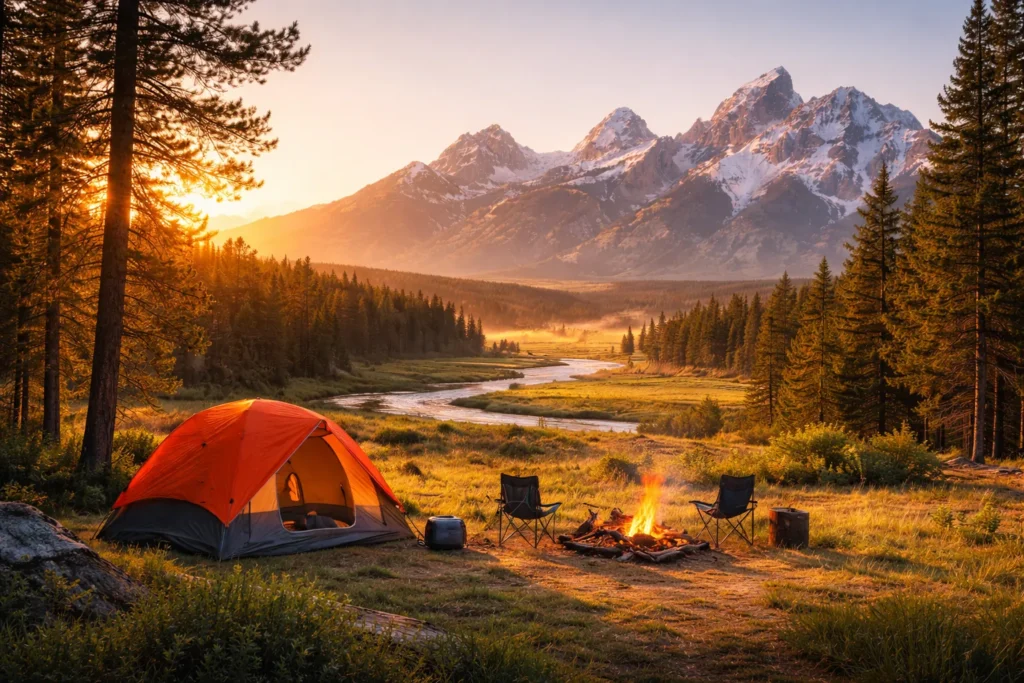
Best for: Canyon hiking, slot canyons, and adventure campers
Zion is Utah’s most visited national park and one of the most visually dramatic places in the American Southwest. The towering sandstone cliffs of Zion Canyon glow orange and red at sunrise and sunset in a way that stops you mid-sentence.
Watchman Campground sits at the canyon entrance and is the most popular site — with views of the Watchman peak and easy access to the park shuttle system. South Campground is more basic but walkable to the main visitor area.
The park’s signature hike — Angels Landing — requires a permit lottery, but the trail up to Scout Lookout is open to all and still delivers extraordinary views.
Best time to visit: March–May and September–November. Summer temperatures regularly exceed 100°F on canyon floors.
Best for: East Coast beauty, ocean views, and sunrise seekers
Acadia is the crown jewel of the US East Coast national parks. Located mostly on Mount Desert Island in coastal Maine, it combines mountain terrain, dense forests, and dramatic Atlantic coastline in a way no other park in the country does.
Blackwoods Campground and Seawall Campground are the two main options — both forested, well-maintained, and close to the park’s best features. The summit of Cadillac Mountain (accessible by road or trail) is one of the first places in the continental US to see sunrise.
The park is smaller than most on this list, which makes it feel intimate and manageable. It is ideal for cyclists, kayakers, and families.
Best time to camp: June through September. October brings stunning fall foliage but campgrounds begin closing.
Best for: High-altitude adventure and alpine scenery
Rocky Mountain National Park sits entirely above 7,500 feet elevation, with several peaks exceeding 14,000 feet. It is a park built for people who want fresh air, big views, and serious hiking.
Moraine Park Campground is the largest and most accessible, open year-round. Glacier Basin Campground fills quickly in summer due to its proximity to popular trailheads.
The park’s Trail Ridge Road is the highest continuous paved road in the US and offers sweeping alpine tundra views. Elk are everywhere — during the fall rut, the bugling of bulls echoes through the campgrounds at dusk.
Altitude note: First-time visitors from low elevations should plan a day or two to acclimate before strenuous hiking. Headaches and fatigue at altitude are common.
Best for: Diversity of landscapes and Pacific coast camping
Olympic National Park is unlike any other park on this list because it contains three completely different ecosystems within its borders: temperate rainforest, alpine wilderness, and Pacific coastline. Camping here can mean something entirely different depending on where you set up.
Hoh Rain Forest Campground sits inside one of the only temperate rainforests in North America — mossy, green, and otherworldly. Kalaloch Campground sits on a bluff directly above the Pacific Ocean. Heart O’ the Hills Campground offers mountain access near Hurricane Ridge.
This is a park for campers who want variety. In a single trip, you can go from dense old-growth forest to ocean beach to snowcapped peaks.
Best for: East Coast weekend getaways and Appalachian hiking
Shenandoah stretches along the Blue Ridge Mountains of Virginia and is one of the most accessible national parks in the eastern United States — just 75 miles from Washington, D.C.
The Skyline Drive runs the full 105-mile length of the park along the ridge, with stunning valley views on both sides. Big Meadows Campground is the most popular, situated at the highest point of Skyline Drive at 3,500 feet.
The park sits directly on the Appalachian Trail, and over 500 miles of hiking trails branch off from the main road. Black bears are common — food storage rules are strictly enforced.
Best for: Families, weekend campers, and anyone looking for a quick escape from the Mid-Atlantic coast cities.
| Park | State | Best For | Difficulty | East/West |
|---|---|---|---|---|
| Yellowstone | WY | Wildlife & geysers | Moderate | West |
| Grand Canyon | AZ | Scenery & hiking | Moderate–Hard | West |
| Great Smoky Mountains | TN/NC | Families & foliage | Easy–Moderate | East |
| Yosemite | CA | Icons & photography | Moderate | West |
| Glacier | MT | Solitude & mountains | Moderate–Hard | West |
| Zion | UT | Canyon adventures | Moderate | West |
| Acadia | ME | Coastal views | Easy–Moderate | East |
| Rocky Mountain | CO | Alpine hiking | Moderate–Hard | West |
| Olympic | WA | Diversity of terrain | Easy–Hard | West |
| Shenandoah | VA | Weekend escapes | Easy–Moderate | East |
Yellowstone is widely considered the best overall national park for camping in the United States. It offers the most diverse campground options, unmatched wildlife viewing, iconic geothermal features, and a genuine sense of wilderness. For East Coast campers, Great Smoky Mountains and Acadia are the top alternatives.
Great Smoky Mountains, Shenandoah, and Acadia are the most beginner-friendly. They have well-developed campgrounds with restrooms and easy trail access, and none require extreme altitude or intense backcountry experience.
Many outdoor experts and travel publications rank Yellowstone or Banff (Canada) as the finest national parks in North America. Within the United States alone, Yellowstone, Grand Canyon, and Yosemite consistently top every ranked list of best national parks in the world.
Most national park campsite reservations are made through Recreation.gov. Some parks (like Yellowstone) use their own concessioner’s system. Reservations typically open 6 months before the camping date and sell out quickly for popular summer dates. Set a calendar reminder and have a backup option ready.
Entry fees range from free (Great Smoky Mountains) to $35 per vehicle (Yellowstone, Grand Canyon, Yosemite). Campsite fees typically range from $20 to $35 per night. The America the Beautiful Annual Pass at $80 covers entrance to all national parks for 12 months and is the best value for anyone planning multiple visits.
America’s national parks are not just great camping destinations — they are some of the most extraordinary places on Earth, full stop.
Whether you are pitching a tent at the edge of Yellowstone Lake, watching the Milky Way rise over Yosemite Valley, or listening to the Atlantic crash against the Maine coast from your site at Acadia, these parks offer something no resort or hotel can match: real, unfiltered nature.
Pick the park that suits your travel style. Book your site early. Get your America the Beautiful Pass. And go.
The parks will take care of the rest.