Physical Address
304 North Cardinal St.
Dorchester Center, MA 02124
Physical Address
304 North Cardinal St.
Dorchester Center, MA 02124
There are national parks. And then there is Yellowstone.
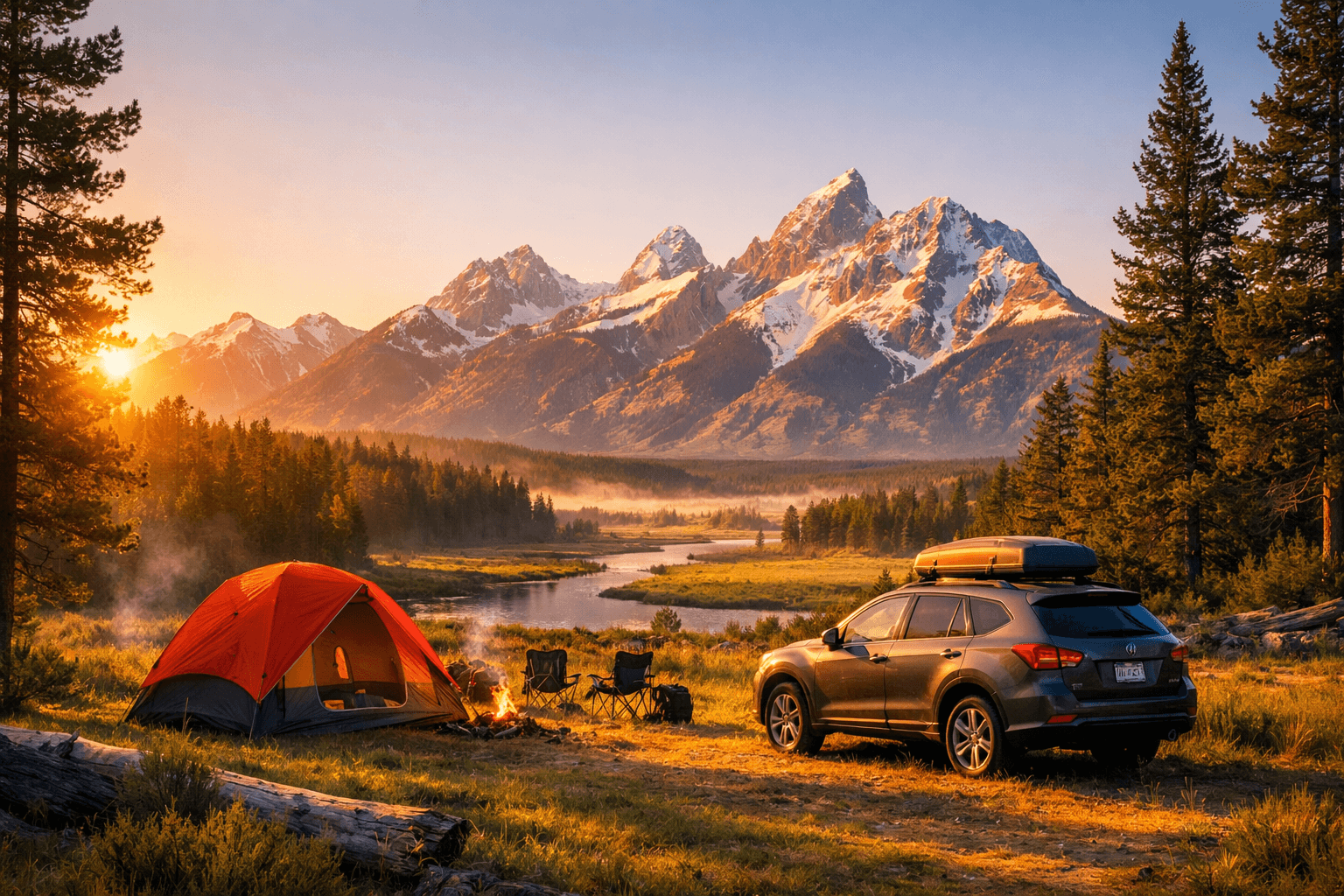
No other place on Earth packs so much into one destination — erupting geysers, steaming hot springs, free-roaming bison, grizzly bears, wolves, and some of the most dramatic landscapes in North America. Camping in Yellowstone National Park puts you right in the middle of all of it.
You wake up to elk grazing outside your tent. You hear wolves howl at dusk. You watch Old Faithful erupt from just a short drive away. This is not a park you visit from a hotel window — it is a park you live in, even for just a few nights.
Yellowstone sits mostly in Wyoming, with small portions crossing into Montana and Idaho. It was the world’s first national park, established in 1872, and it remains one of the most visited and most beloved protected lands anywhere on the planet.
This guide covers everything you need to know about camping in Yellowstone — from booking your site to staying safe around wildlife.
Yellowstone National Park is located primarily in the northwestern corner of Wyoming, with borders extending into southern Montana and eastern Idaho. It covers over 2.2 million acres — making it one of the largest national parks in the continental United States.
The name “Yellowstone” comes from the yellow-colored rocks lining the Grand Canyon of the Yellowstone River, caused by heat and chemical processes related to the park’s volcanic activity.
Popular gateway cities include:
Yellowstone National Park has 11 campgrounds with more than 2,000 established campsites. That sounds like a lot — but these sites fill up incredibly fast, especially in summer.
| Campground | Location | Hookups | Notes |
| Madison Campground | West-Central | No hookups | Popular, near geysers & Old Faithful |
| Bridge Bay Campground | Lake Area | No hookups | Near Yellowstone Lake; group sites available |
| Grant Village | South | No hookups | Large campground; group sites available |
| Canyon Village | Central | No hookups | Near Grand Canyon of the Yellowstone |
| Fishing Bridge RV Park | Lake Area | Full hookups | Hard-sided vehicles ONLY; no tents |
| Indian Creek | North-Central | No hookups | Quiet, near Mammoth Hot Springs |
| Mammoth Campground | North | No hookups | Year-round; first-come Oct 15 – Apr 1 |
| Norris | Central | No hookups | Near Norris Geyser Basin |
| Pebble Creek | Northeast | No hookups | Remote, scenic, less crowded |
| Slough Creek | Northeast | No hookups | Fly-fishing paradise |
| Tower Fall | Northeast | No hookups | Near Tower Fall waterfall |
Important: No car camping or overnight vehicle parking is allowed in pullouts, parking areas, picnic grounds, or anywhere other than a designated campground. This rule is strictly enforced.

Madison Campground is one of the most popular sites in the park — and for good reason. It sits at the junction of the Firehole and Gibbon rivers, putting you within easy reach of the Upper Geyser Basin, Old Faithful, and the Midway Geyser Basin.
Wildlife sightings here are common, especially elk in the fall. The campground has restrooms, an amphitheater for ranger programs, and a central location that makes exploring the park easy. It is tent-friendly and open seasonally (typically early May through late October). No electrical hookups are available.
Sitting on the shores of Yellowstone Lake, Bridge Bay is the largest campground in the park. It is a great base for boating, fishing, and exploring the southern half of Yellowstone.
Group sites are available here for educational or organized groups, with fees ranging from $165 to $475 per night depending on group size. Advance reservations are required.
Located near Mammoth Hot Springs, Indian Creek is smaller and quieter than most other campgrounds. It attracts campers who want a more peaceful experience away from the summer crowds.
This campground is a great pick if you plan to explore the northern section of the park, including the Lamar Valley — Yellowstone’s best spot for wolf and bear watching.
Mammoth is the only year-round campground in Yellowstone. From October 15 through April 1, it operates on a first-come, first-served basis — no reservation needed. The rest of the year, reservations are required.
If you are planning a Yellowstone National Park winter visit, Mammoth is your only campground option.
Here is the most important thing to understand: almost every campsite in Yellowstone requires a reservation — and they go fast.
Note: The delivery or pick-up of out-of-park RV or camper unit rentals is prohibited inside Yellowstone.


Tent camping is available at most of Yellowstone’s campgrounds — with one important exception. Fishing Bridge RV Park does NOT allow tents. It is reserved for hard-sided vehicles only and offers the park’s only full hookups with water, sewer, and 50-amp electrical service.
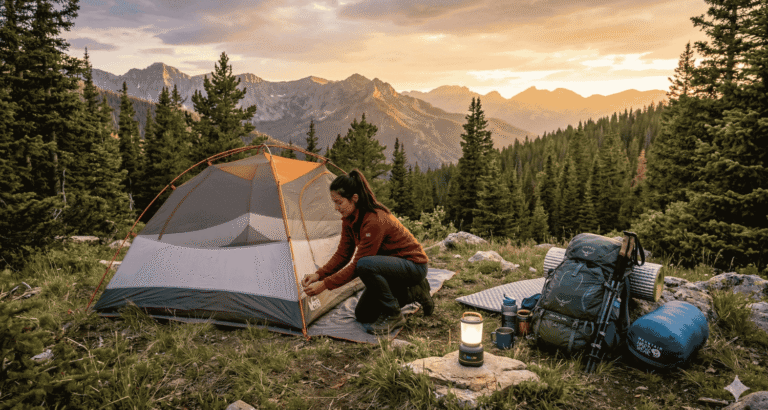
The best campgrounds for tent campers include:
All tent campers should follow bear-safe camping practices (see the safety section below).
This is peak season. Temperatures range from 40°F to 80°F depending on elevation and time of day. Afternoon thunderstorms are common. Book campsites far in advance — this is the hardest time to get a spot.
One of the best times to visit. Crowds drop significantly, temperatures cool, and the elk rut is a spectacular wildlife show. Many campgrounds close by mid-October.
Only Mammoth Campground remains open. The park has very limited car access — snowmobiles and snowcoaches are the primary way to get around. It can be well below 0°F but absolutely magical. Geysers steam dramatically against the cold air.
Unpredictable weather with snow possible any day. Baby animals are everywhere. Campgrounds begin opening in late April and May, though conditions can be muddy.
Best overall time to visit: Late September for fewer crowds, fall foliage, and elk activity.
Yes — both grizzly bears and black bears live in Yellowstone. Bear activity peaks in spring and fall when they are most actively foraging before and after hibernation. However, bears can be encountered any time of year.
Bear safety rules:
There have been a small number of fatal bear attacks in Yellowstone over the decades — enough to take the risk seriously, but not enough to be afraid. Use common sense and follow the rules.
The single biggest hazard to visitors in Yellowstone is not bears — it is the hydrothermal features. Boiling hot springs can exceed 200°F. The ground near geysers and hot springs can be thin, fragile, and unstable.
Driving in Yellowstone at night is legal but requires caution. Animals — including bison, elk, bears, and wolves — frequently cross roads after dark. Drive slowly, keep headlights on, and be prepared to stop suddenly.
Children under 16 are admitted free of charge.
Lifetime passes (such as the Senior Pass) grant free entry, but the pass holder must be physically present with valid ID. The park cannot look up lost passes and will not accept receipts or photos of the pass in lieu of the actual card.
Can you camp anywhere in Yellowstone National Park?
No. You must camp in one of the park’s 11 designated campgrounds. Car camping, overnight vehicle parking in pullouts, and camping in picnic areas are all strictly prohibited. There is no dispersed or backcountry car camping allowed.
How hard is it to get a campsite in Yellowstone?
Very hard during peak summer months. Most sites are reserved months in advance, often within hours of the 6-month booking window opening. Your best strategy is to set a calendar reminder and be ready to book the moment your target date becomes available.
How much does it cost to camp at Yellowstone?
Standard nightly campsite fees generally range from $20 to $35, depending on the campground. Fishing Bridge RV Park (with full hookups) costs more. Group sites run from $165 to $475 per night. Entry fees are separate — a vehicle pass costs $35 for 7 days.
Is tent camping in Yellowstone safe?
Yes, with proper precautions. The main risks are wildlife (especially bears) and thermal features. Always use bear canisters or provided bear boxes, carry bear spray, follow all food storage rules, and never leave food in your tent. Tens of thousands of people tent camp in Yellowstone safely every year.
Can I sleep in my car at Yellowstone?
No. Overnight vehicle parking outside of designated campgrounds is not permitted anywhere in the park. You must have a reserved campsite to legally spend the night in Yellowstone.
How far in advance should I book camping in Yellowstone?
Book exactly 6 months in advance — that is when reservations open. For July and August weekends, expect high competition within the first hour of availability. For less popular dates (weekdays, early June, September), you may find availability with less notice.
What month are bears most active in Yellowstone?
Bears are most visible and active in April–May (emerging from hibernation, very hungry) and September–October (hyperphagia, eating intensely before winter). However, bears can be encountered any month the park is open.
What is the best campsite in Yellowstone?
For location and access to geysers, Madison Campground is the top choice. For quiet and wildlife watching, Indian Creek or Slough Creek are favorites. For lake views, Bridge Bay is hard to beat. The best site depends entirely on what you want from your trip.
How many days should you camp in Yellowstone?
Most visitors recommend 4 to 5 days minimum to experience the park’s major highlights — the geyser basins, Grand Canyon of the Yellowstone, Lamar Valley, and Mammoth Hot Springs. A full week lets you slow down, hike more, and really absorb the place.
What is the biggest hazard to visitors in Yellowstone?
The greatest danger is hydrothermal features — hot springs, geysers, and mud pots. More visitors have been seriously injured or killed by thermal features than by any other cause in the park. Always stay on boardwalks and never enter or touch thermal pools.
Is Yellowstone good for camping?
Absolutely. It is one of the best camping destinations in the entire United States. The combination of incredible wildlife, geothermal wonders, and dramatic scenery is unmatched anywhere else. Just plan and book well in advance.
What’s the best time to visit Yellowstone?
Late September is widely considered the best time — the crowds have thinned, the weather is still pleasant during the day, the elk are rutting, and the fall colors are beautiful. Mid-June to mid-August offers the most accessible conditions but the heaviest crowds.
In what state is Yellowstone National Park located?
Yellowstone is located primarily in Wyoming, with small portions extending into Montana and Idaho. The park headquarters are in Mammoth Hot Springs, Wyoming.
Why is Yellowstone so famous?
Yellowstone is famous for being the world’s first national park (1872), for containing the world’s largest concentration of geysers (including Old Faithful), for its extraordinary wildlife including wolves and grizzly bears, and for sitting atop one of the world’s largest supervolcanic systems.
What animal is Yellowstone most known for?
The American bison is the symbol most associated with Yellowstone — the park has the largest free-roaming bison herd in the world. Grizzly bears, gray wolves, and elk are equally iconic and beloved by wildlife watchers.
Camping in Yellowstone National Park is one of the greatest outdoor experiences available anywhere in the United States. From thundering geysers to the howl of wolves at dusk, every moment in the park feels extraordinary.
Plan early. Book your campsite exactly 6 months ahead. Carry bear spray. Stay on the boardwalks. And give yourself at least 4 nights to truly experience this place.
Whether you pitch a tent at Madison Campground, watch the sunrise over Yellowstone Lake from Bridge Bay, or brave the winter cold at Mammoth — this park will stay with you long after you leave.
Ready to plan your trip? Check availability on the official Yellowstone National Park Lodges reservation system — and set that 6-month reminder today.