Physical Address
304 North Cardinal St.
Dorchester Center, MA 02124
Physical Address
304 North Cardinal St.
Dorchester Center, MA 02124

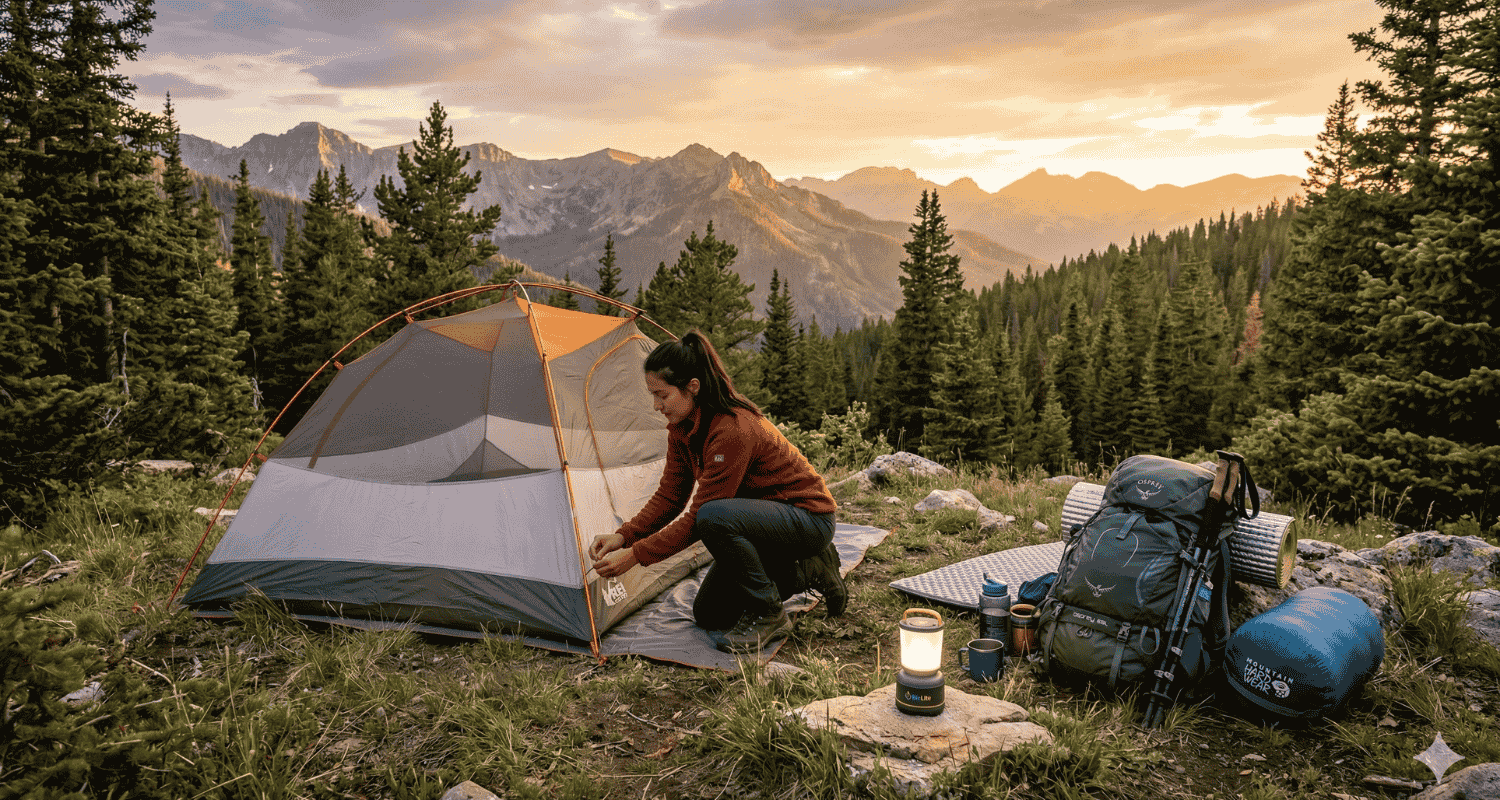
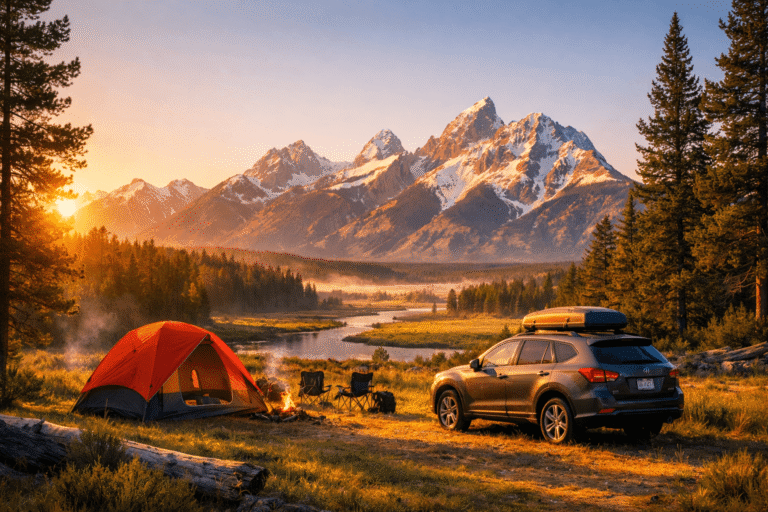
So you’ve never camped a day in your life — but you’re curious. Maybe you’ve scrolled through photos of misty mountains, crackling fires, and starry skies and thought, “I want that.” Good news: you don’t need years of outdoor experience to start camping in America.
The U.S. is one of the best countries in the world for beginner campers. With over 400 national parks, thousands of state parks, and millions of acres of public land, there’s a perfect first campsite waiting for you — no matter where you live.
Camping is also one of the most affordable ways to travel. A weekend in nature can cost less than a night at a budget hotel, and the experience? Priceless.
This guide will walk you through everything you need to know — from picking your first campsite and packing the right gear, to staying safe and having an incredible time. Whether you’re a solo adventurer, planning a family trip, or heading out with friends, you’ll find everything you need right here.
Let’s get you outside.
The U.S. has unequaled types of landscapes — deserts, woods, mountains, coastlines and prairies. That means whatever type of environment excites you, there’s a campground nearby.
This is why America is a great place to start:
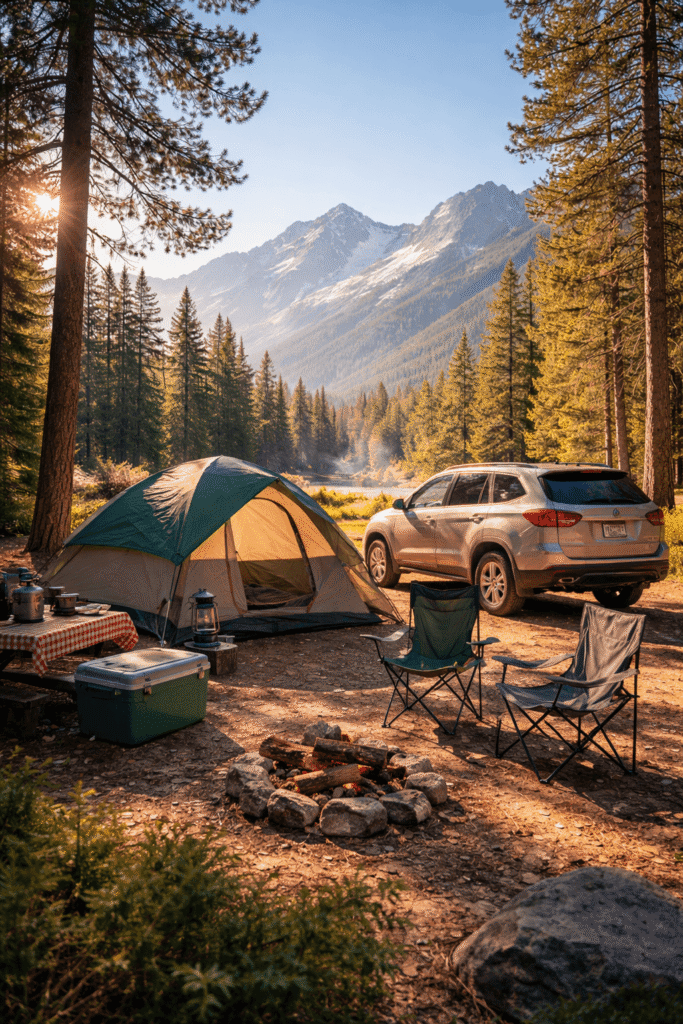
Don’t go deep into the wilderness on your first trip. Choose a campground with basic amenities — these are called “developed” or “frontcountry” campgrounds.
Look for sites that offer:
Great beginner options include:
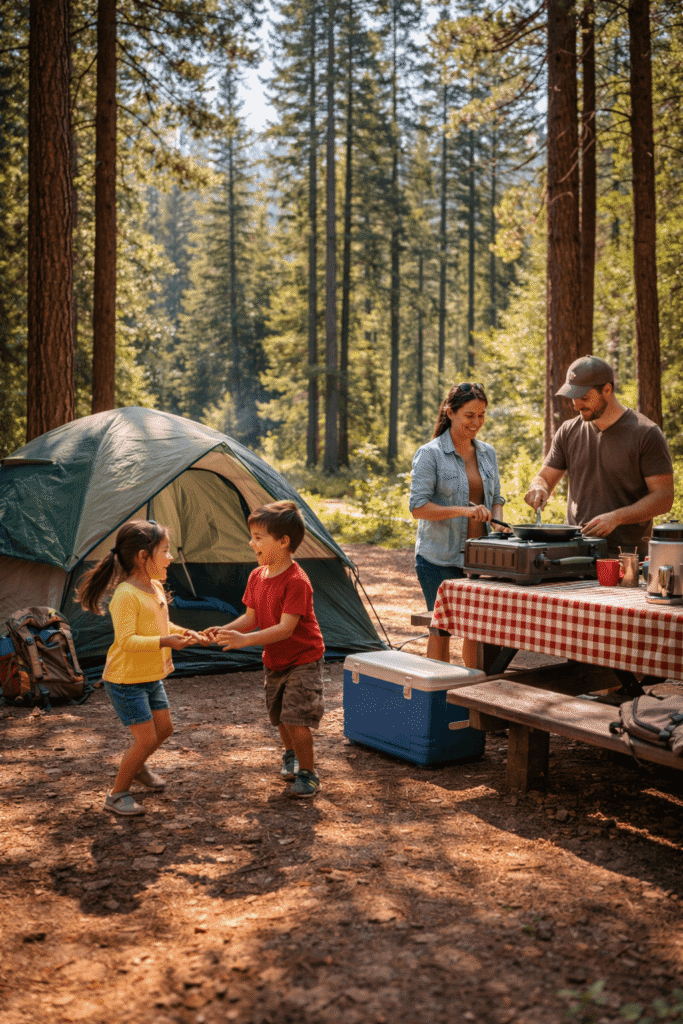
Weather can make or break a camping trip. Spring (April–June) and fall (September–October) are ideal for beginners — mild temperatures, fewer crowds, and beautiful scenery.
Avoid:
Most popular campgrounds require reservations, especially during summer. Use these platforms to book:
Start with the basics. You don’t need expensive gear right away. Borrow from friends, rent locally, or start with budget-friendly options before investing in high-end equipment.
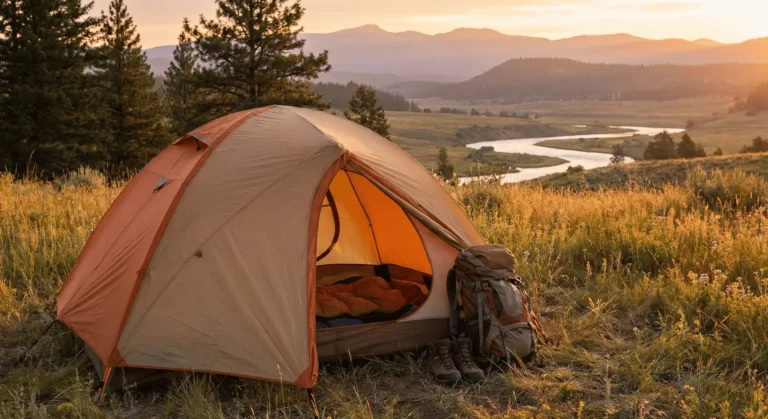
Before your first real trip, set up your tent in the backyard. Practice:
This simple step removes a lot of first-night anxiety.
Packing smart is everything. Here are the 10 essentials recommended by outdoor safety experts:
These essentials apply whether you’re camping for one night or one week.
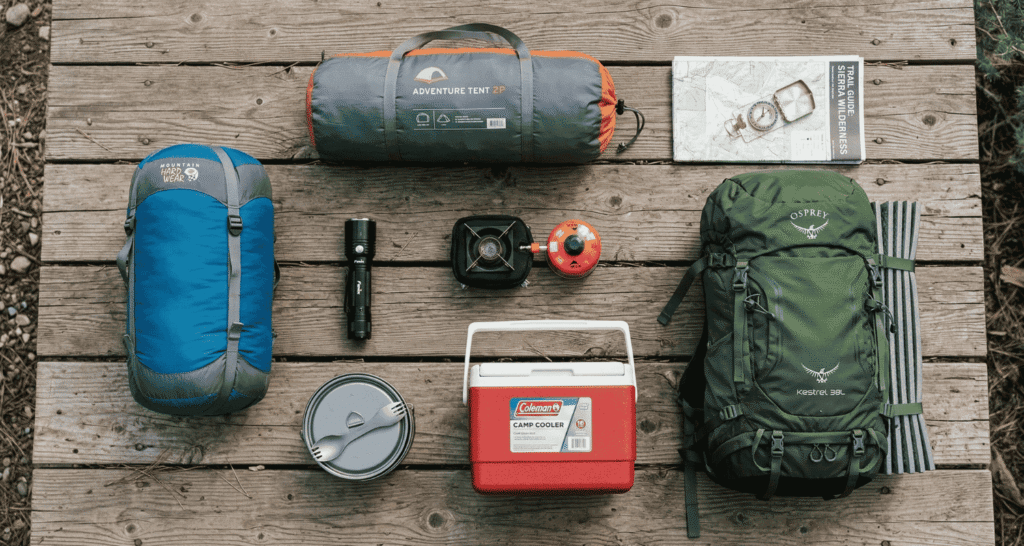
The 3-3-3 rule is a simple framework many experienced campers use to stay safe and comfortable. It goes like this:
For beginners, this rule is especially helpful. Arriving early gives you time to find your site, get your tent up, gather firewood, and settle in before dark. Rushing setup in the dark is one of the most common beginner mistakes.
The 7 C’s are a popular framework for being a prepared and responsible camper:
Yes, free camping is absolutely a thing — and it’s legal in many parts of the country.
The BLM manages over 240 million acres of public land across the western U.S. Most of it allows dispersed camping — meaning you can camp outside of designated campgrounds for free (typically up to 14 days in one spot).
Popular BLM camping areas include:
Like BLM land, most National Forests allow free dispersed camping. Check with the local ranger district for specific rules.
Safety isn’t scary — it’s just preparation. Keep these tips in mind:
Even small mistakes can ruin a camping trip. Here’s what to steer clear of:
The 3-3-3 rule means driving no more than 3 hours to your campsite, arriving by 3 PM, and staying for at least 3 days. It’s a practical guideline to help campers — especially beginners — manage travel fatigue, set up safely before dark, and actually relax once they arrive.
Start by booking a developed campground with basic amenities like restrooms and a fire ring. Choose a mild-weather season, pack the 10 essentials, and consider doing a backyard camp night to test your gear. Visit Camping for Beginners USA for detailed destination guides and packing checklists built specifically for first-timers.
The 7 C’s of camping are: Campsite, Clothing, Cover, Combustion, Cooking, Comfort, and Compass. Each represents a key category of preparation that helps campers stay safe, comfortable, and ready for outdoor conditions.
Free camping in the USA is available on Bureau of Land Management (BLM) land and in most National Forests through dispersed camping — no campsite fee required. Use apps like Freecampsites.net or Campendium to find legal free spots near you. Always check local rules and practice Leave No Trace principles.
The 444 rule is a guideline some campers use: hike no more than 4 miles per day, gain no more than 400 feet of elevation, and camp no more than 4 miles from a trailhead. It’s designed for beginners and families to keep trips manageable and enjoyable rather than exhausting.
The 10 camping essentials are: navigation tools, sun protection, insulation/extra clothing, illumination (headlamp), a first-aid kit, fire-starting supplies, a knife and repair tools, extra food, water/hydration tools, and an emergency shelter. These cover the basics of survival and comfort in almost any outdoor situation.
No — you cannot camp just anywhere. Camping is regulated by land ownership. You can camp freely on most BLM land and National Forest land (dispersed camping). However, camping in national parks, state parks, and private land requires permits or fees. Always verify land ownership and local rules before setting up camp.
Avoid setting up camp in low-lying areas prone to flooding, leaving food out where wildlife can access it, ignoring fire bans, wearing cotton in wet or cold weather, skipping a map or navigation tool, and heading out without telling someone your plans. These are the most common mistakes that lead to unsafe or uncomfortable camping trips.
Rule #1 of camping is: Leave No Trace. This means packing out all your trash, not disturbing wildlife, minimizing campfire impact, and leaving your campsite as good — or better — than you found it. It’s the most important principle of outdoor ethics and ensures that natural spaces stay beautiful for everyone.
Start close to home. Pick a developed state or national park campground within 2–3 hours of where you live. Book a site through Recreation.gov or Reserve America. Pack the 10 essentials, invite a friend, and keep your first trip to one or two nights. The goal isn’t a grand adventure — it’s getting comfortable. Once you’ve done it once, the next trip will feel completely natural. For step-by-step help, check out this beginner’s camping guide to plan your first trip with confidence.
Starting camping in America with zero experience might feel overwhelming — but it’s actually one of the most approachable outdoor activities you can try. The country’s vast public land system, family-friendly campgrounds, and incredible natural variety make it easy to find a first trip that fits your comfort level.
Start simple. Book a developed campground. Pack the essentials. Follow the 3-3-3 rule. Show up, breathe the fresh air, and let nature do the rest.
You don’t need to be an outdoor expert. You just need to show up. Thousands of first-time campers discover their love for the outdoors every single year — and this could be your year too.
Ready to plan your first trip? Visit Camping for Beginners USA for destination guides, packing lists, and expert tips to help you camp smarter from day one.